
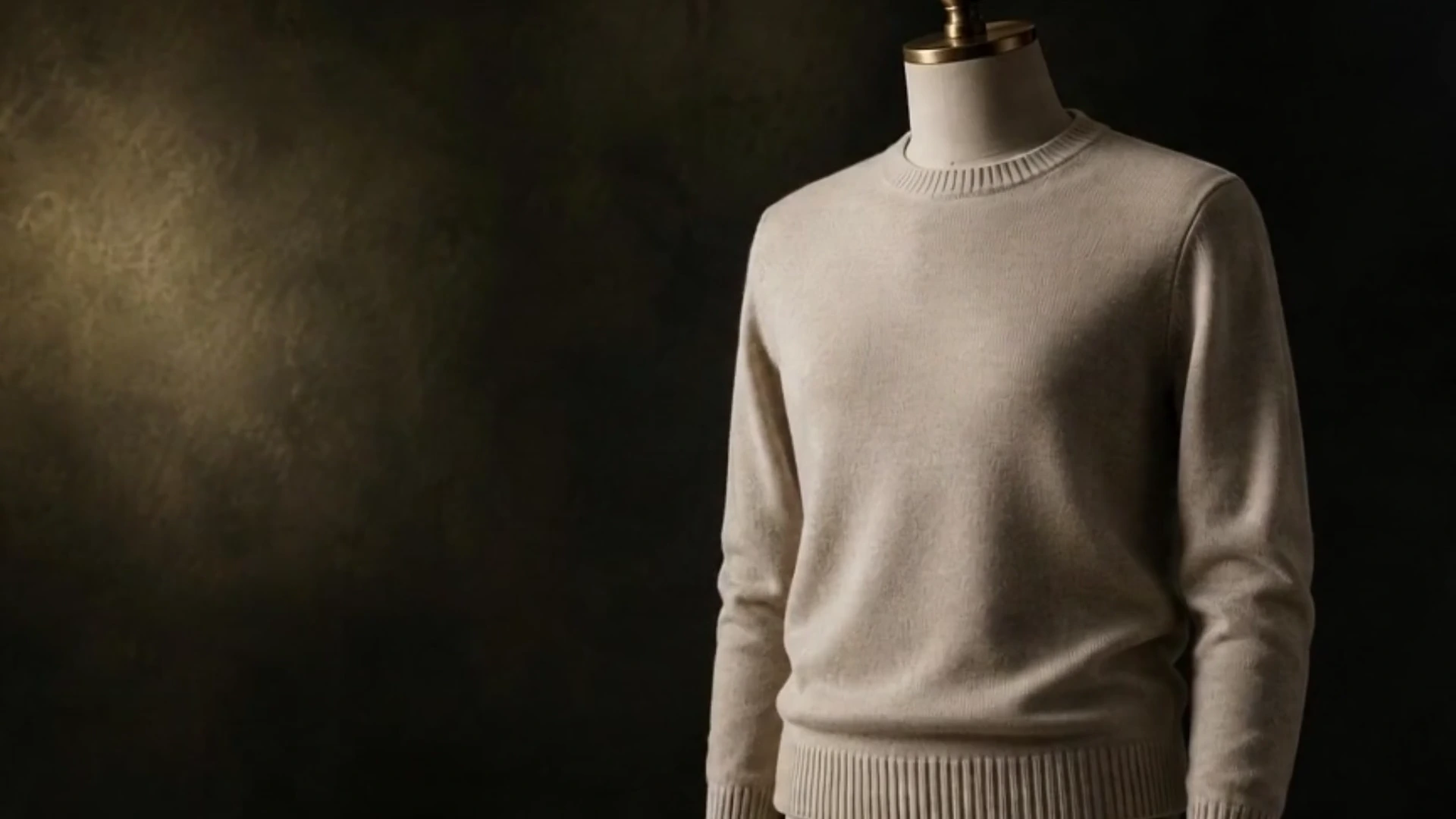
Born from material. Shaped by craft. Made to last.
A garment earns lasting value before it reaches the wearer.
We begin with material and shape it through craft, helping every garment reach steadier, quieter, longer-lasting value.
SANTEXWELL
A garment's value begins before it is worn.
It begins with material choice, yarn tension, the order between fabric pieces, and every quiet but firm craft decision.
"Material is the first language of clothing."
"Yarn tension writes character into the garment early."
"True quality stays inside the unseen detail."
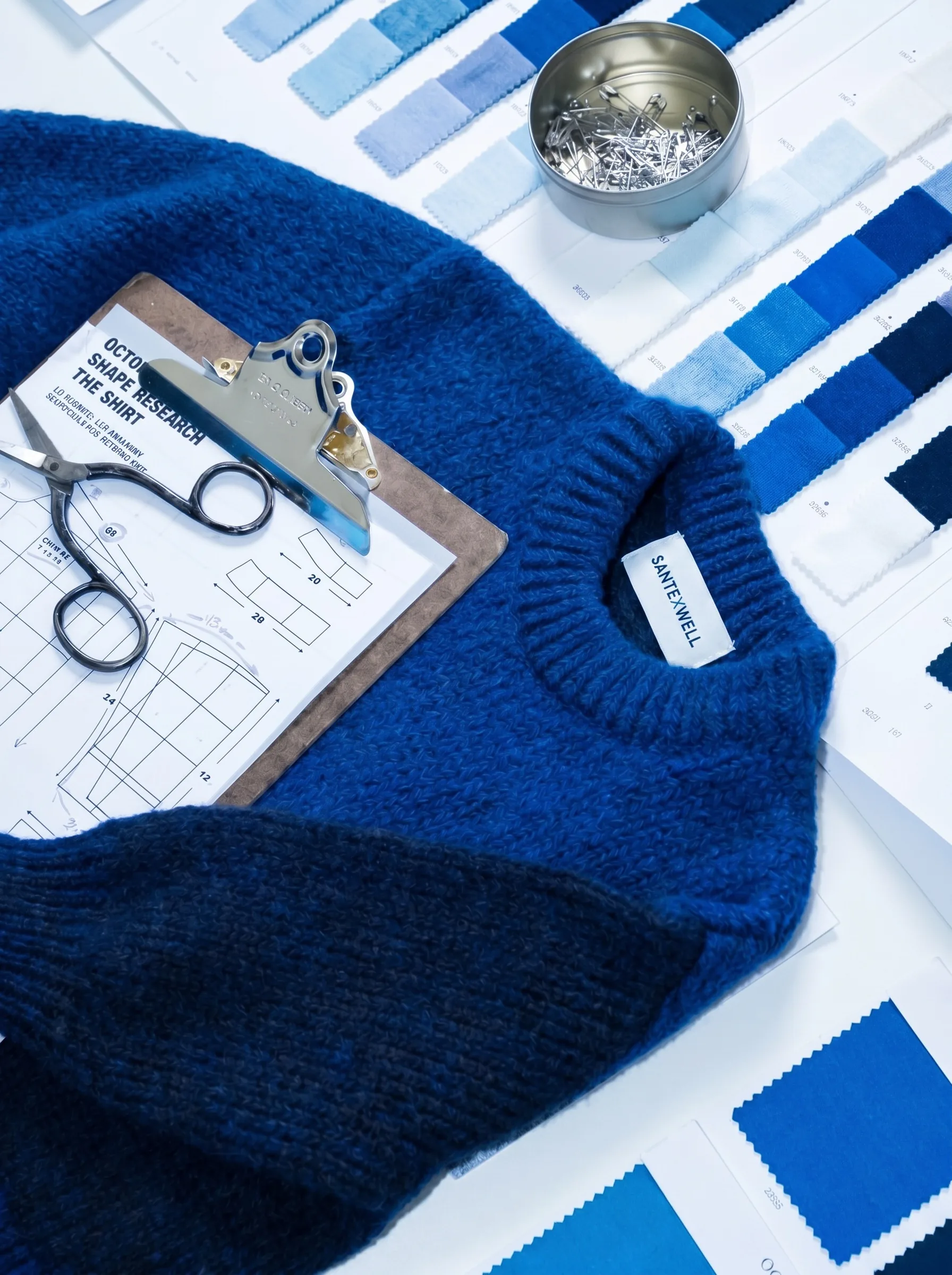
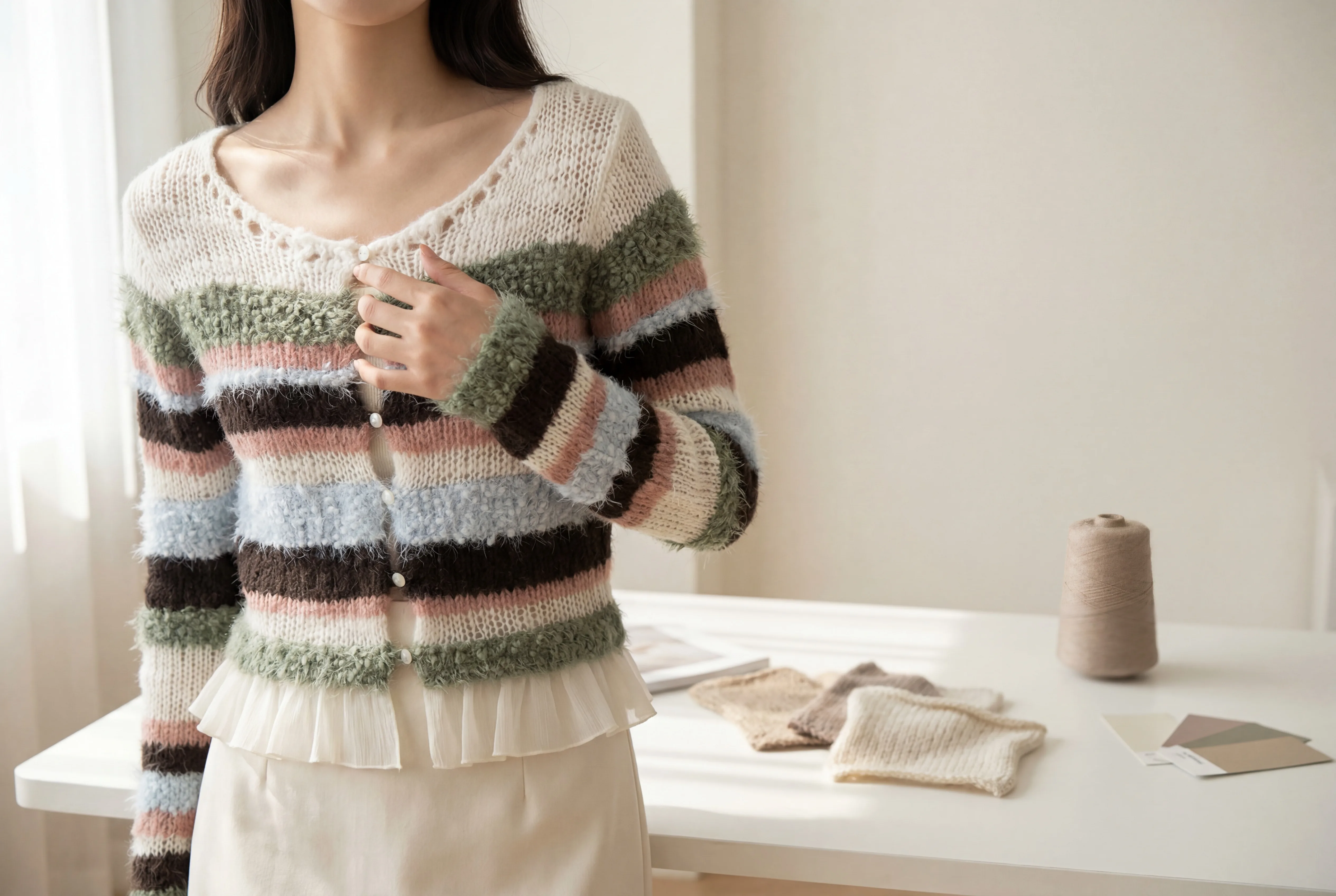
From yarn to stitch, knitwear builds texture, softness, and drape directly into the garment. Different structures and yarns work together to create style variation that woven and ordinary jersey products cannot easily replace.
From idea to tangible results
Better manufacturing does not make the process louder. It turns intent into form, proof, and something that can be delivered.
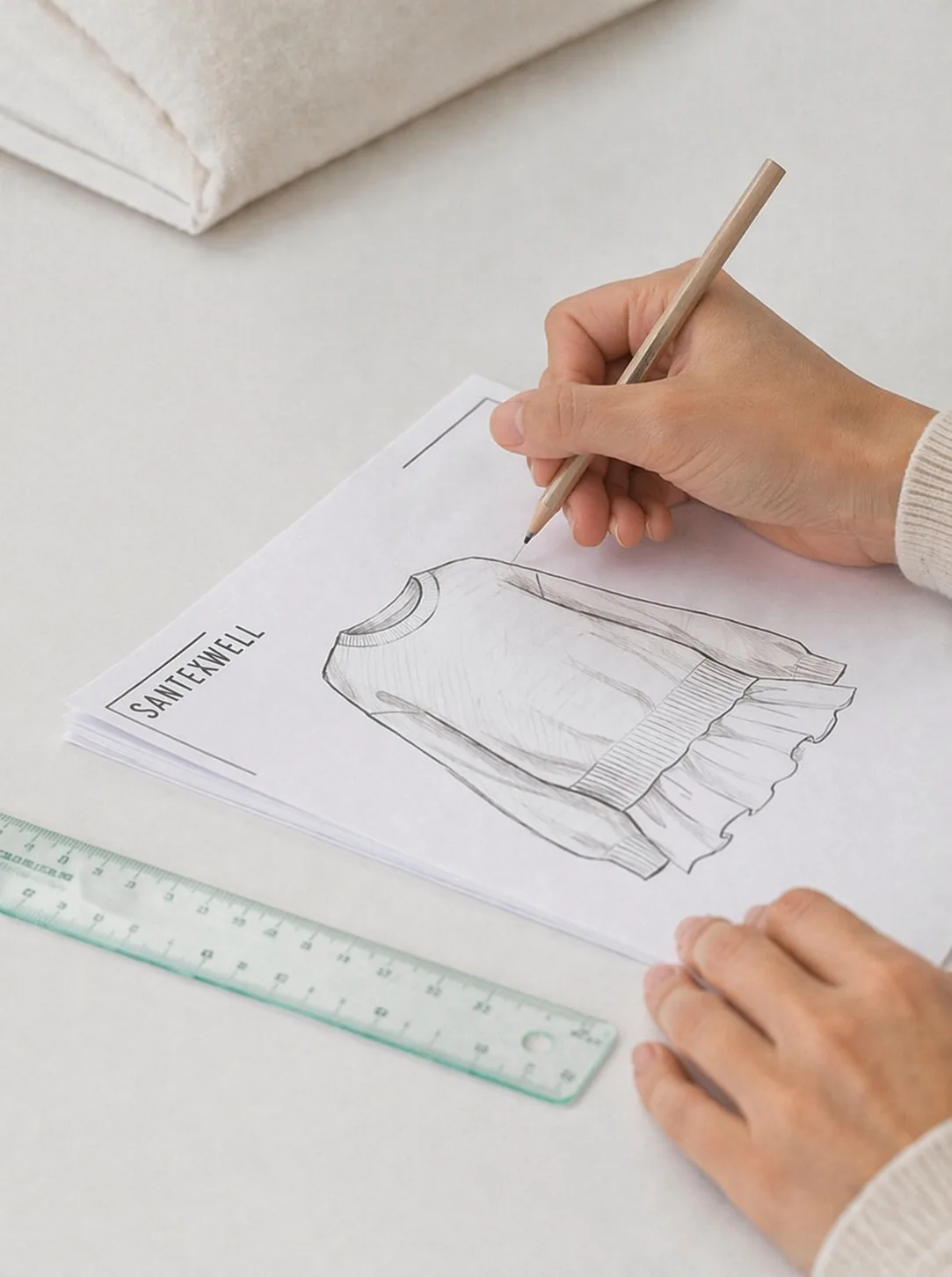
01
Idea becomes direction.
It may be a sketch, a sentence, or a wearing feeling that has not yet taken shape.
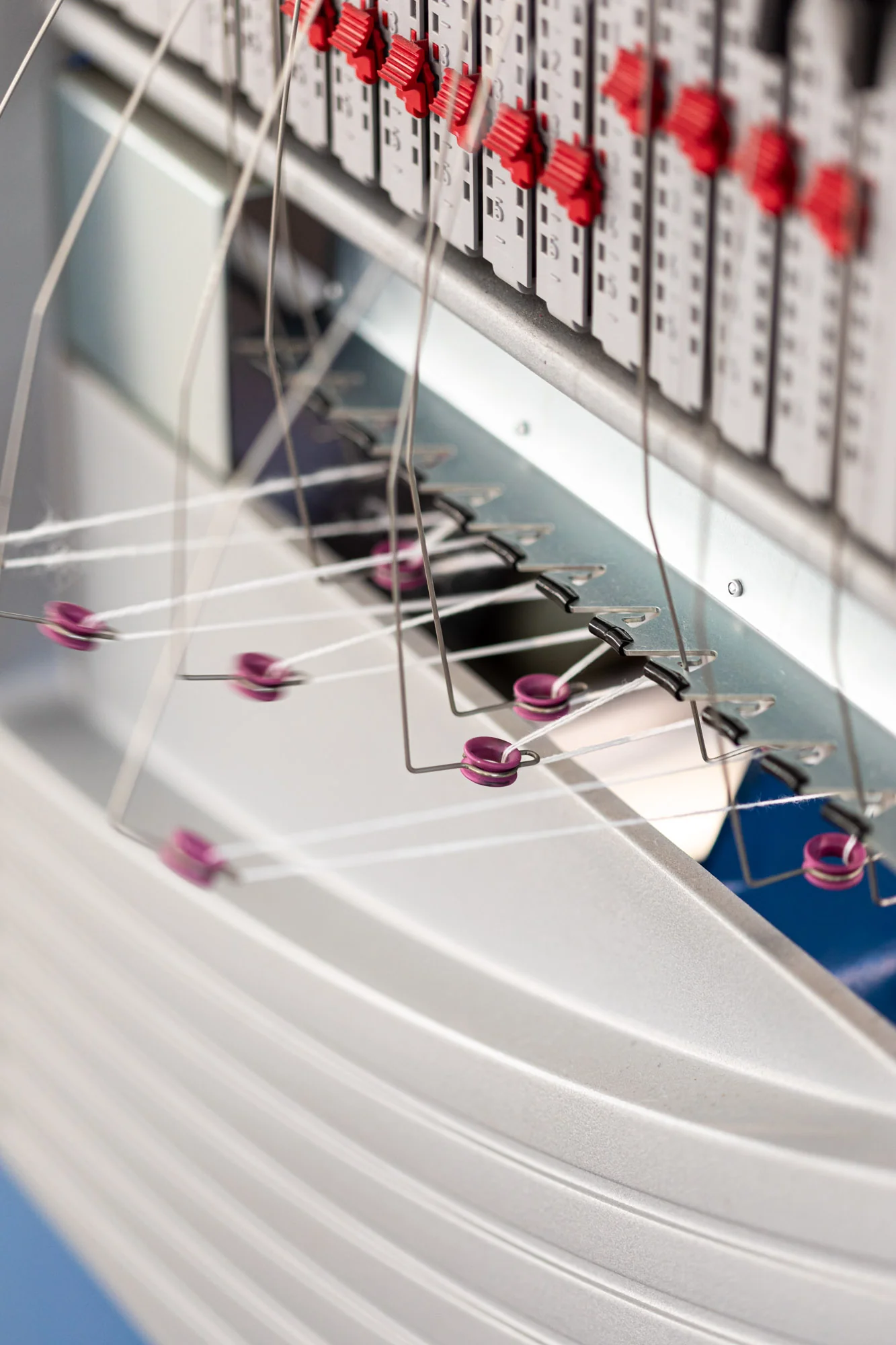
02
The machine begins to test judgement.
The value of making often appears before there is anything loud to show.
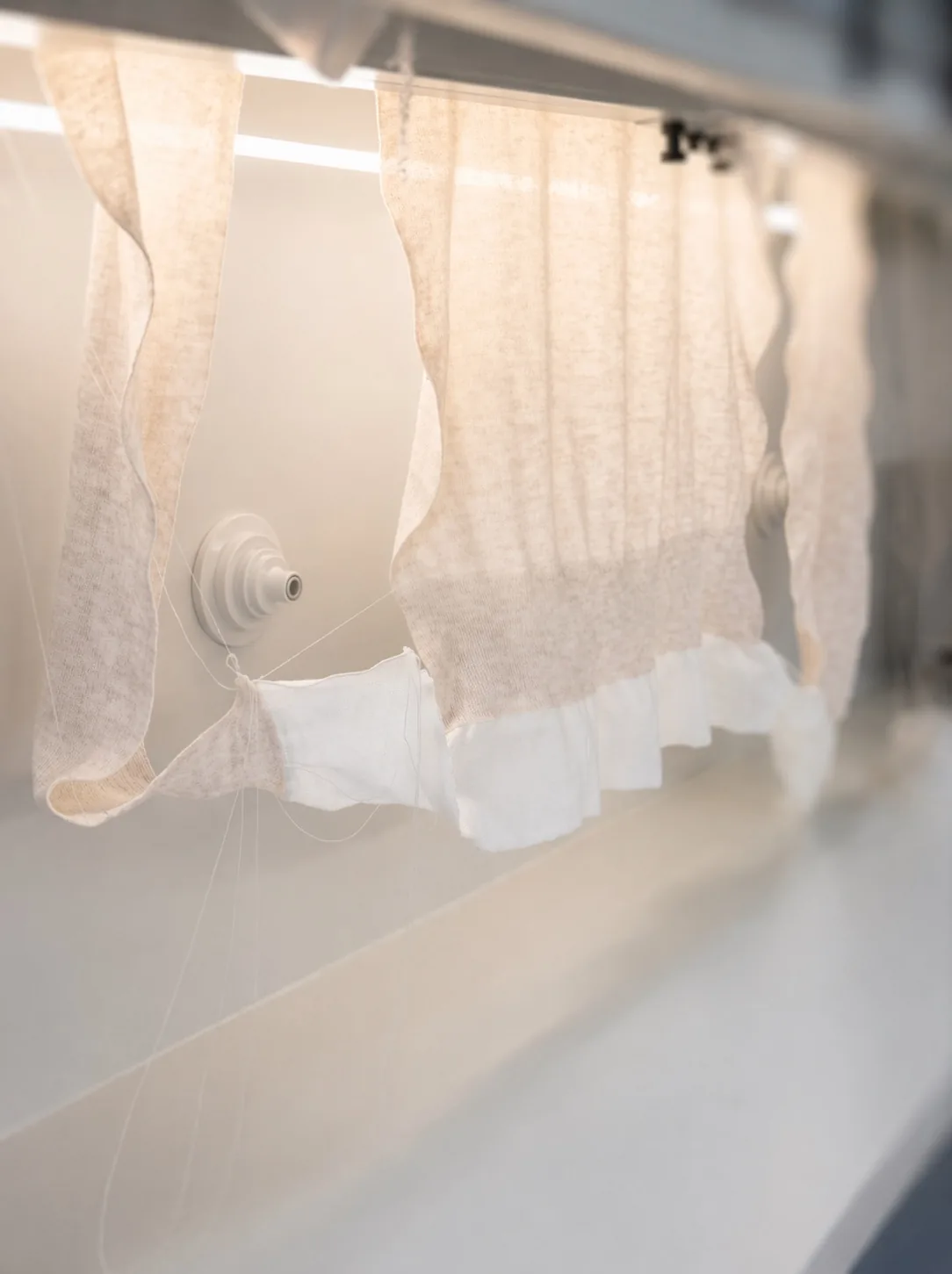
03
Craft gives direction a form.
When machines begin to work, earlier judgement appears in silhouette, hand, and stability.
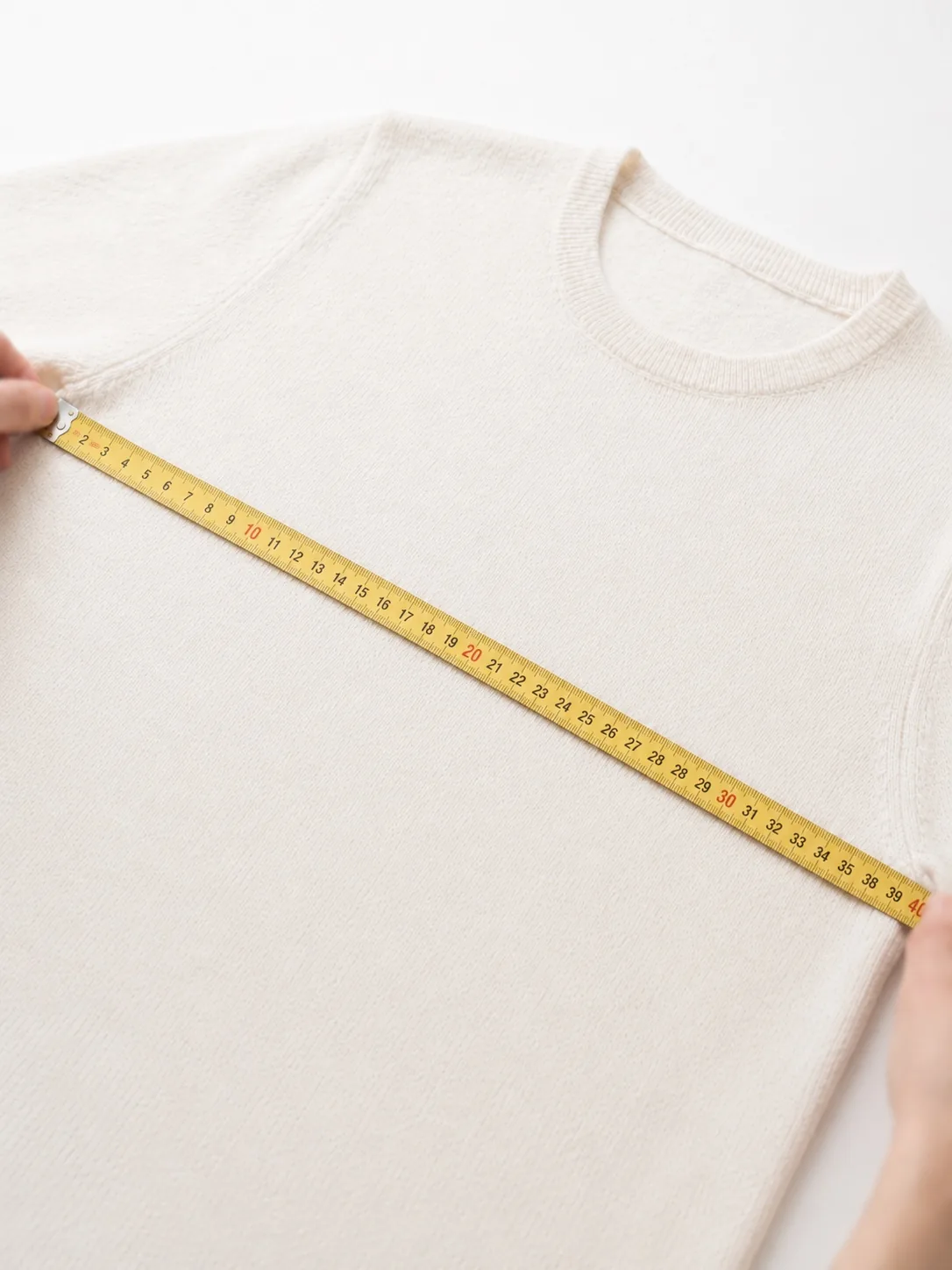
04
A result must be deliverable.
A tangible result is not only a beautiful sample. It can be confirmed, repeated, and delivered.
Better manufacturing means less waste.
We believe sustainability is not decorative language. It is a production attitude running through material choice, craft judgment, quality control, and long use.
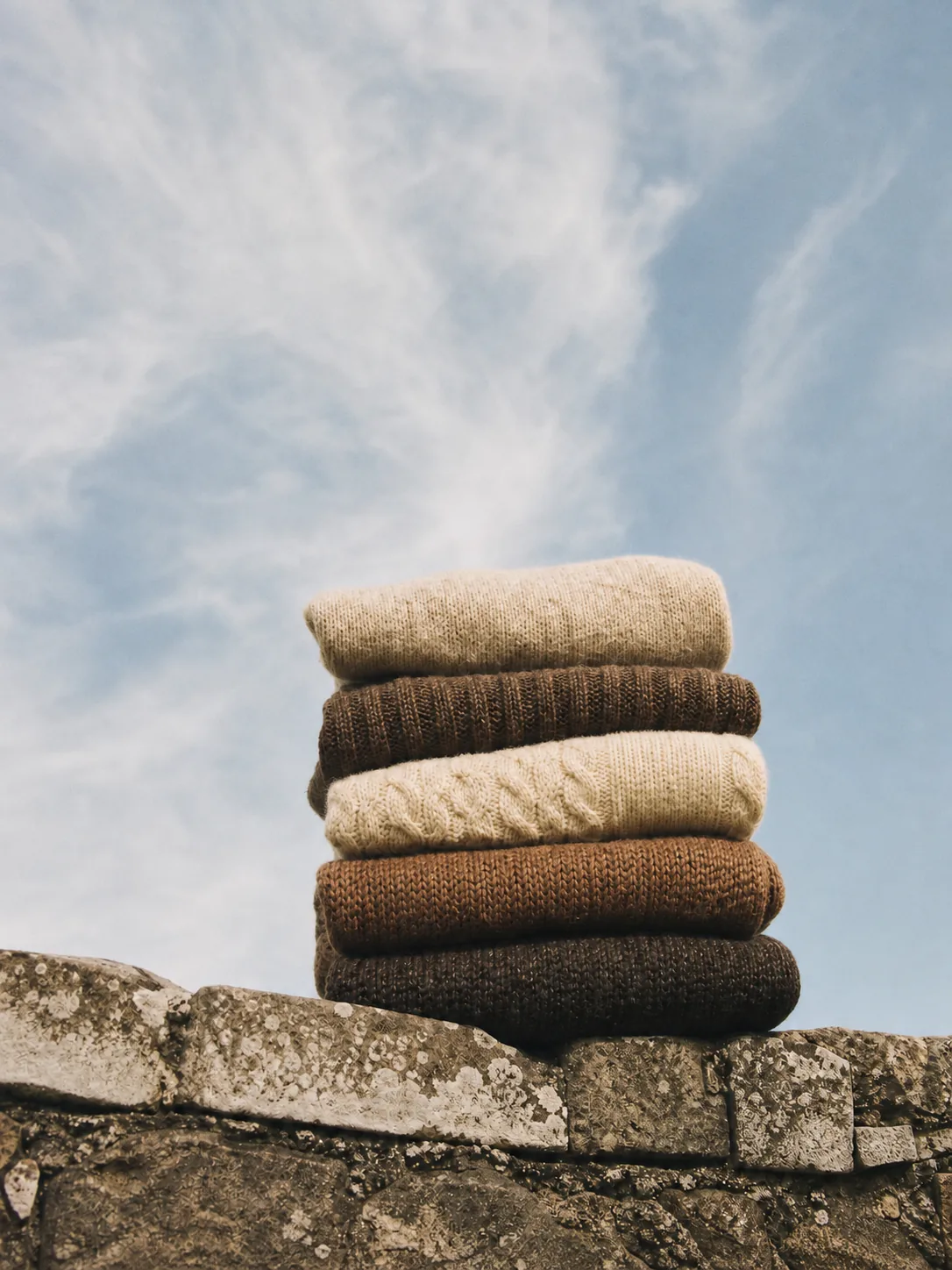
Respect materials
Material judgement
Start with yarn, composition, and hand feel instead of leaving responsibility as a label.
Reduce waste
Fewer false starts
Use sampling, cutting, and production organization to reduce avoidable trial and error.
Make to last
Long use
Let fabric, fit, and workmanship stand up to real wearing and repeated use.