
Digital Transformation

Vision:

TowardFuture

Knitted swatches and yarn lines forming a Digital themed hero visual

To meet a faster, more efficient era, we start by changing how we work.

We use more efficient management and stronger data support to serve customers, then work with them to move apparel manufacturing into its next stage.

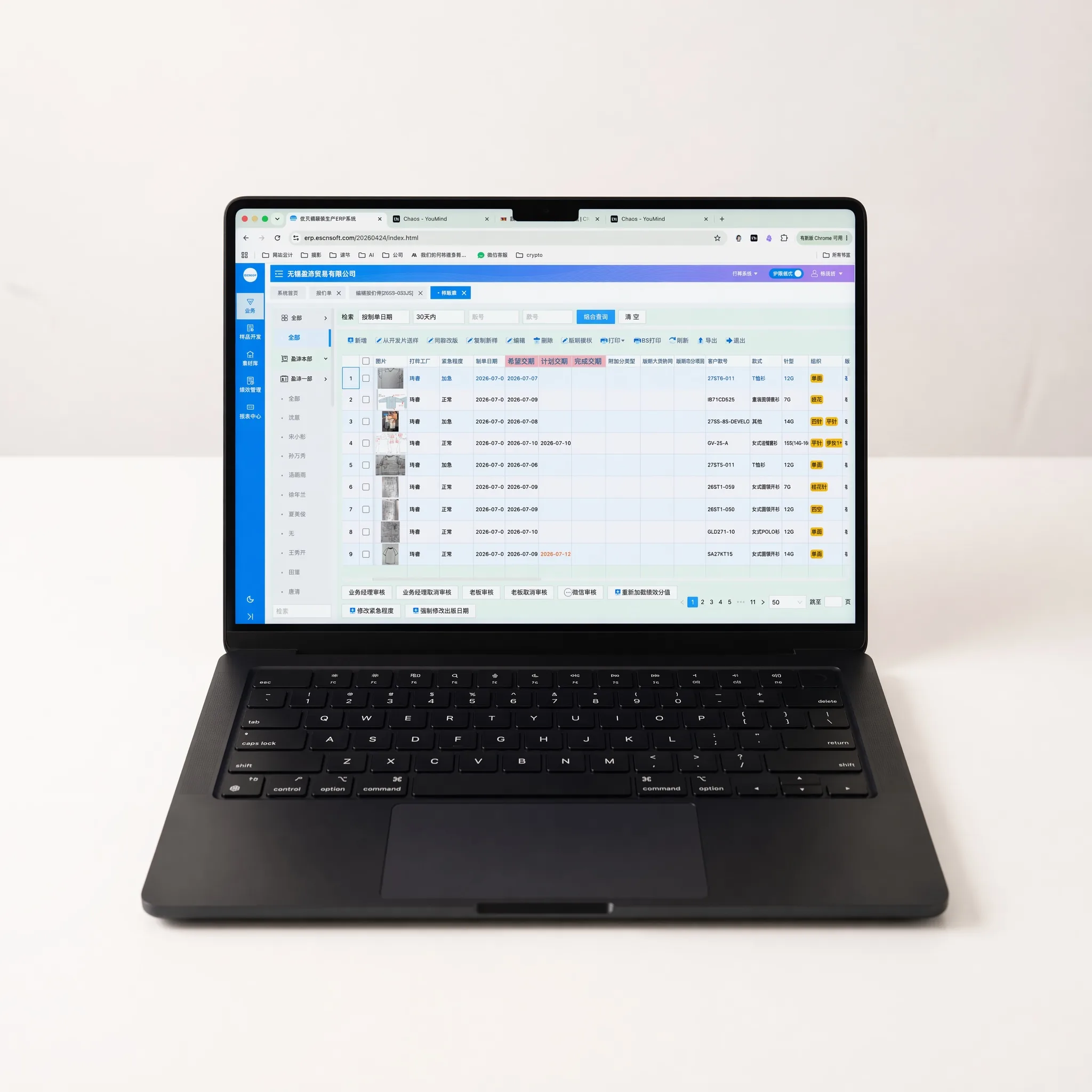
ERP sample development management system running on a laptop screen
01

Business Management

Sampling, production, and finance move inside one closed loop.

ERP keeps key project stages, partner records, and internal resources moving on one shared platform instead of scattered communication.

01

Supplier and processing-factory records become reviewable company assets.

02

A shared platform reduces repeated confirmation and improves response stability.

03

Unified system management reduces human error and lowers team-change risk.
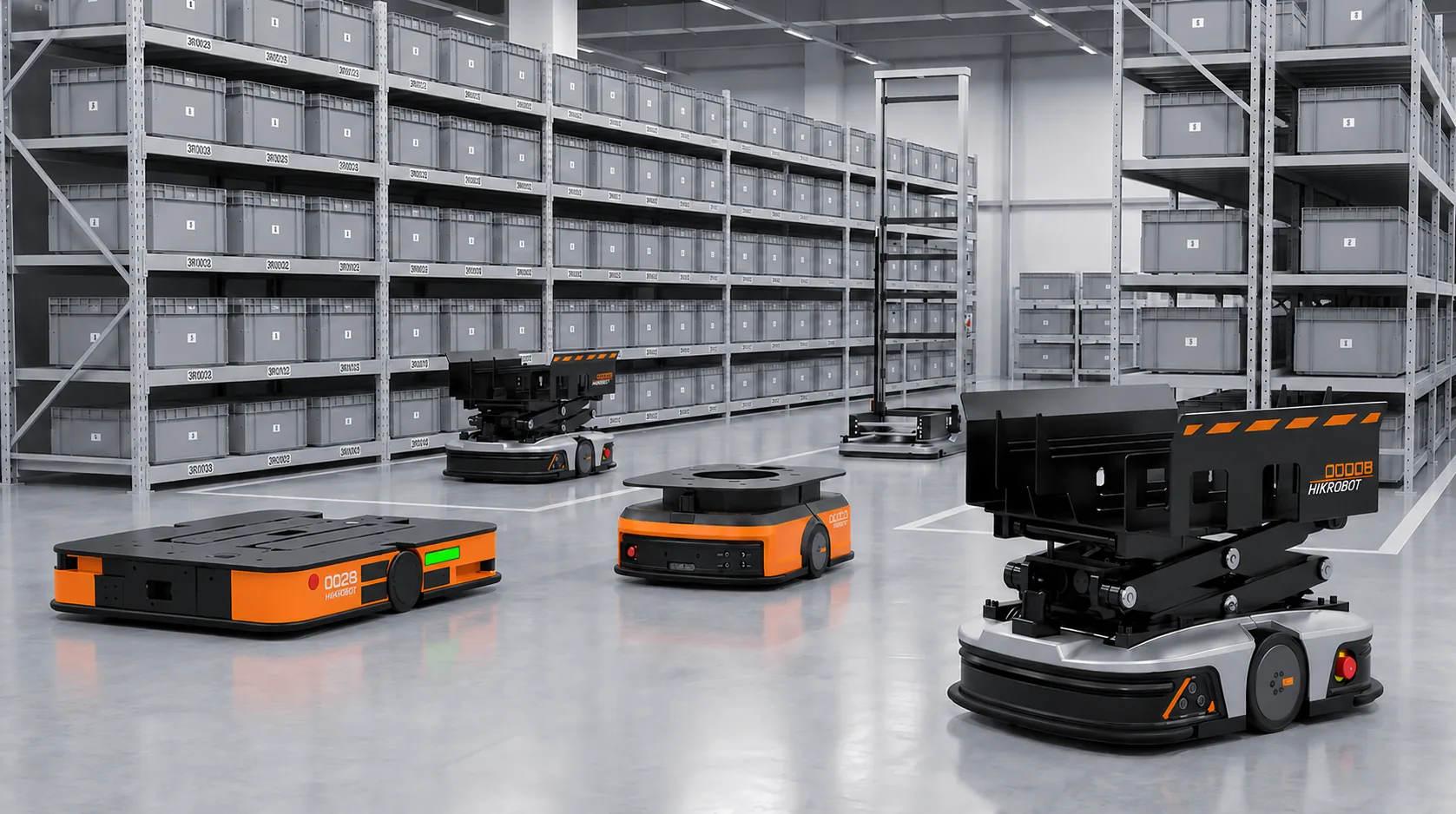
AGV handling robots moving materials through an automated warehouse
02

Supply Chain / Production

Every stage, from material to garment, becomes traceable.

RFID follows materials, panels, and finished garments, while AGV handling gives production transfer a more stable rhythm.

01

RFID helps production risks surface earlier and makes the chain more controllable.

02

AGV handling improves transfer standards and lets workers focus on their operation.

03

A more continuous rhythm supports more consistent product execution.

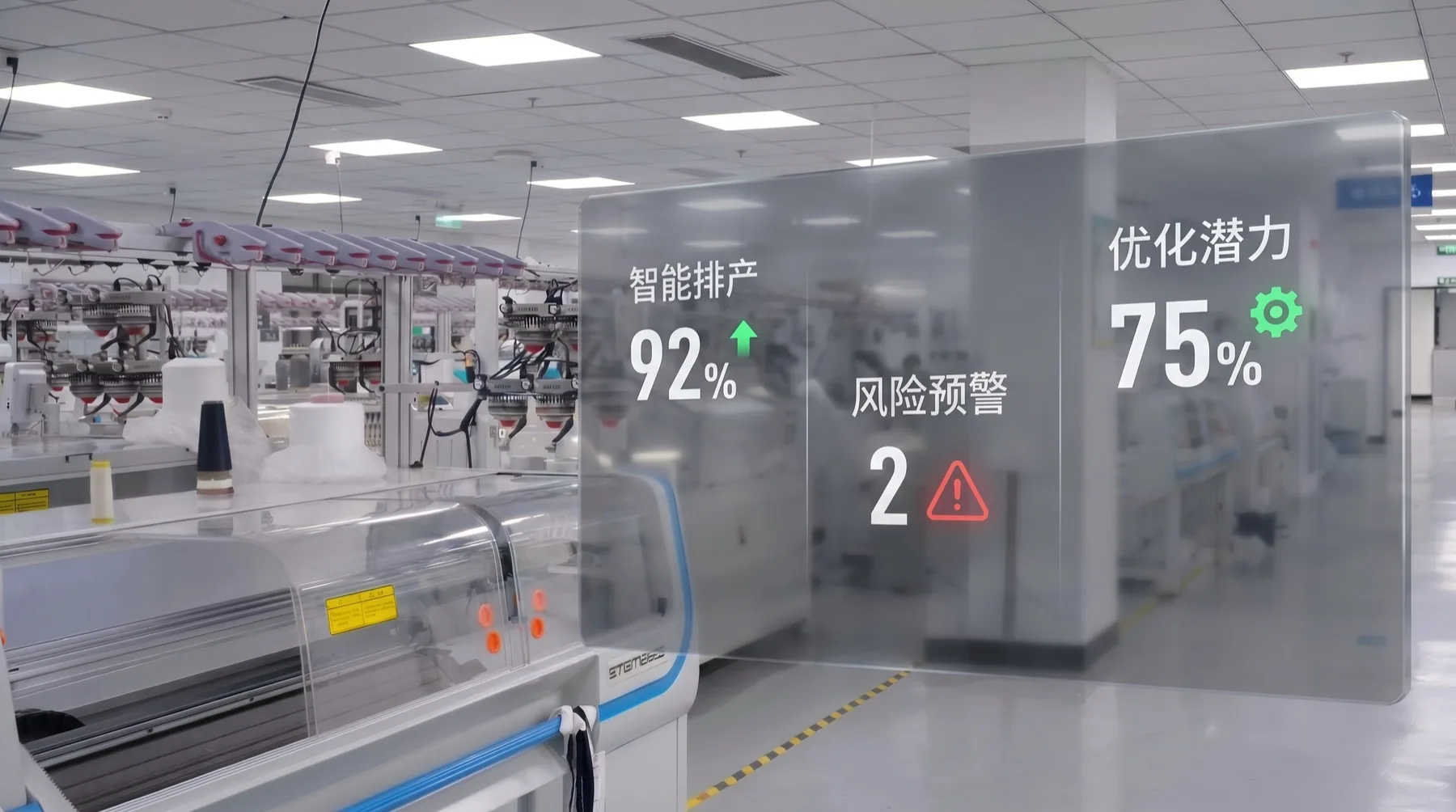
Knitwear factory floor with AI scheduling and risk-warning interface
03

AI

Historical data becomes part of today’s scheduling judgment.

Accumulated supply-chain data allows AI to support scheduling paths, risk detection, and manufacturing review.

01

Large supply-chain datasets help locate more reasonable scheduling paths.

02

Historical and similar-order comparison helps expose risks faster.

03

We continue to explore visual inspection and intelligent patrol scenarios.

Prevent before, intervene during, review after.

Digital capability ultimately returns to customer value. Clearer data flow makes risk visible earlier, makes communication more specific, and turns each order into knowledge for steadier delivery next time.

01

Prevent before

Identify risks before scheduling, materials, timelines, and partner resources enter execution.

02

Intervene during

Use RFID and on-site data to locate exceptions faster and reduce waiting and repeated confirmation.

03

Review after

Keep order experience inside the system as a traceable improvement loop.